Essay · long read
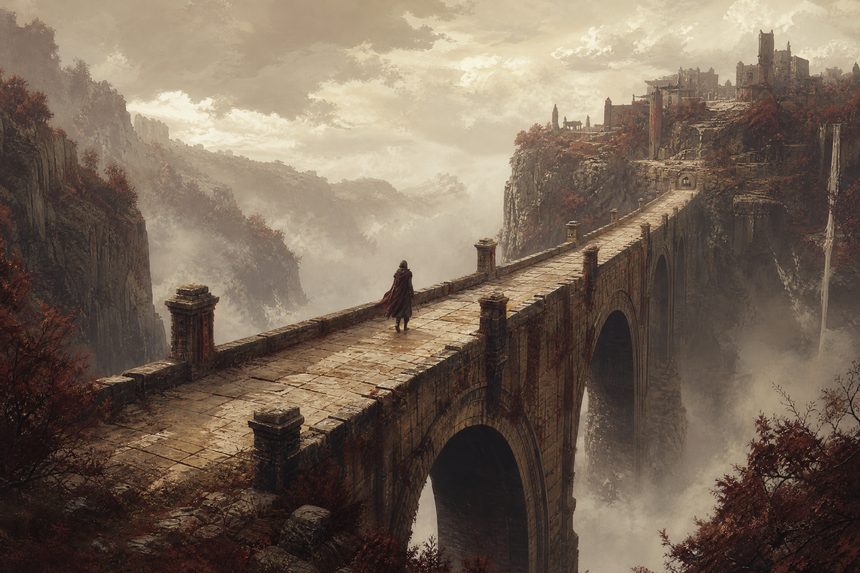
Second acts hold the content produced to fill a runtime, and filling a runtime has different requirements from telling a story. The familiar mid-game slump is examined here as a scheduling artefact, with mission density measured across eight games to show where the seam falls.
Long read 4,400 words Eight games
Article
A turn must land while the player can still afford to reconsider. In six of eight games the central revelation arrives after commitment has hardened, which makes it read as a correction rather than an opening. On the scheduling pressures that produce this and the two games that avoided it.
Article 3,800 words Eight games
Article
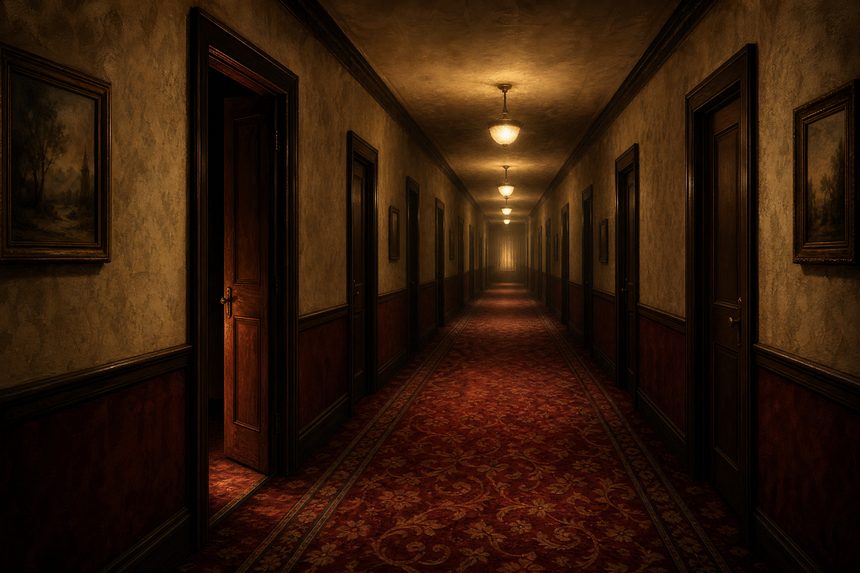
Horror is generally discussed in terms of its events. Measuring the intervals between events across five games suggests the opposite emphasis: what separates the effective games is the length and shape of the quiet, and the interruption itself is nearly interchangeable.
Article 2,900 words Five games
Note
Strategy campaigns inherit their shape from the requirement to teach, producing a first third that instructs, a second that repeats and a final third with nothing left to introduce. Two campaigns in my notes solved this by teaching later than convention allows.
Note 1,500 words Three games
Note
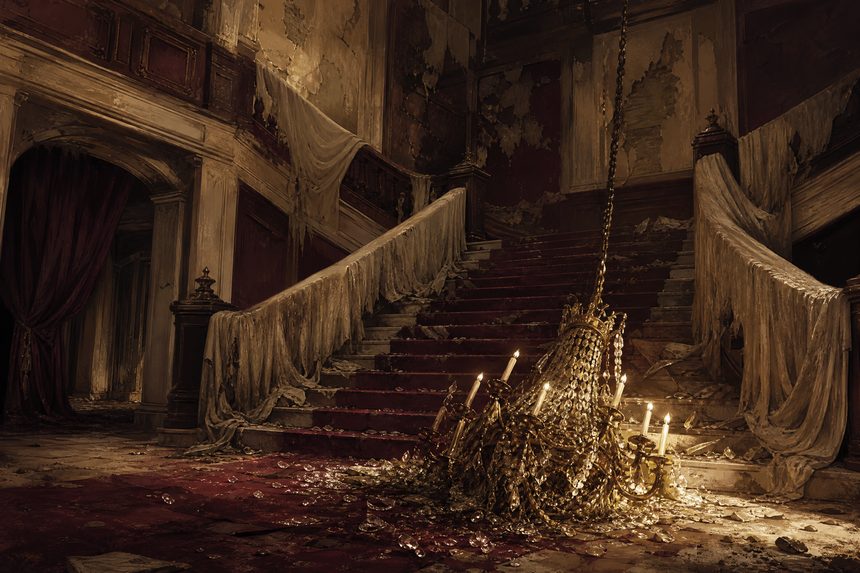
Wrecking a familiar space late in a game is inexpensive and reliably effective, because the player supplies the comparison for free. A short note on the mechanics of that reliability, and on the single game in my notes where the technique fell flat.
Note 1,300 words Four games
Note
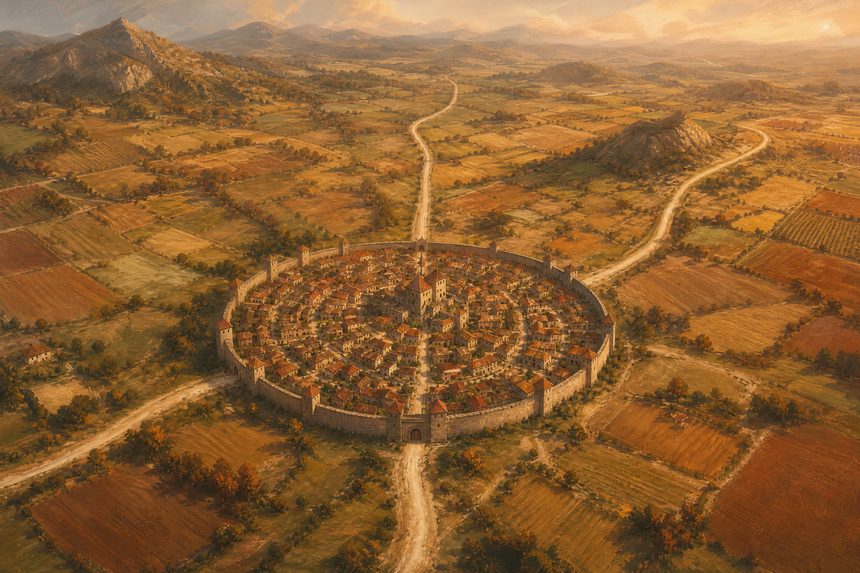
A map with three exits has already told you how its act structure works, whether or not anyone intended that. On reading level geography as a plot outline, and on why the number of roads leaving the first settlement predicts so much about the middle.
Note 1,700 words Five games